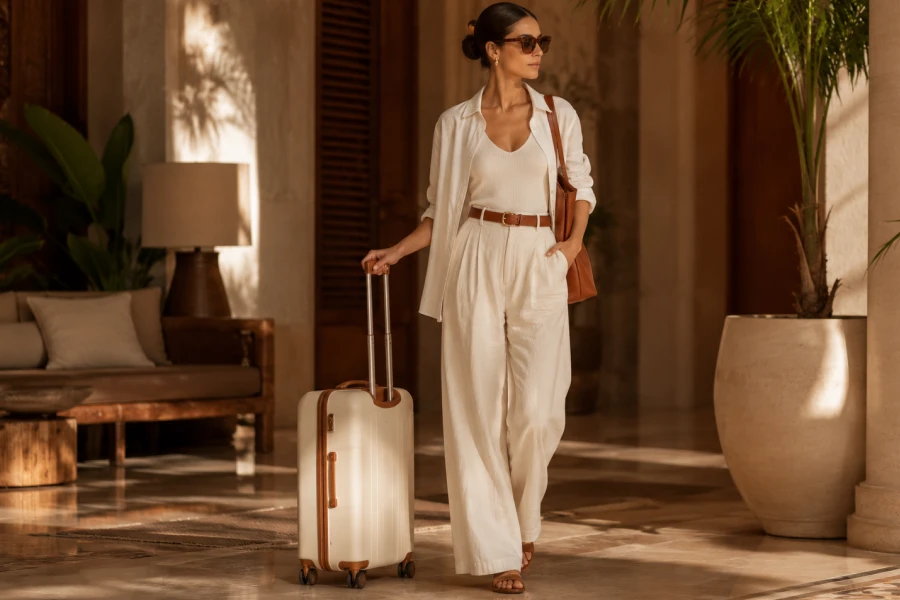
A travel capsule wardrobe makes packing feel calmer before the trip begins. It replaces suitcase panic with a clear outfit plan. Many travelers overpack because they fear being unprepared. Others underpack and spend the trip feeling limited. A capsule approach creates a better middle ground. It gives every item a reason to be included. It also makes each piece work with several others. That compatibility matters more than the number of garments. When clothing, shoes, and accessories cooperate, travel feels smoother. You carry less, dress better, and enjoy the destination more.
The itinerary should lead the wardrobe, not fantasy photos. Count travel days, walking days, dinner plans, and special activities. Then consider weather, laundry access, and luggage size. This creates realistic outfit needs. A beach town, business conference, and museum weekend require different capsules. The method stays the same, but the pieces change. Start with activities before choosing colors or trends. This prevents emotional packing. A strong travel style system makes the suitcase serve the schedule. Each garment earns space by solving a real moment.
Extra options can create more stress than freedom. A suitcase full of unrelated pieces forces decisions every morning. Matching pieces reduce that pressure. Two bottoms, four tops, one dress, and two layers can create many looks when colors align. Shoes should support most of those combinations. Accessories should reinforce the same mood. This does not mean everything must be neutral. It means each color needs a partner. A thoughtful vacation wardrobe feels edited, not empty. Better coordination gives more use than extra bulk.
Color is the quiet engine behind capsule packing. Choose one dark neutral, one light neutral, and one or two accents. This simple range keeps outfits connected. It also helps shoes and bags work harder. For warm destinations, linen white, sand, olive, and coral might feel natural. For city travel, black, cream, denim, and burgundy may feel sharper. The palette should fit both you and the destination. Avoid packing colors that require one specific partner. Every shade should earn multiple combinations. That is how a small suitcase becomes visually flexible.
Shoes consume space quickly, so they require discipline. Choose pairs that support the most walking and the most outfits. One comfortable everyday shoe is essential. One refined option can cover dinners or polished moments. A third pair only belongs if the itinerary truly demands it. Do not pack uncomfortable shoes for imaginary evenings. They rarely become useful. They only create weight and regret. Consider sole support, weather, and destination surfaces. With comfortable travel clothes, footwear must support the same practical elegance. Your feet shape the mood of the entire trip.
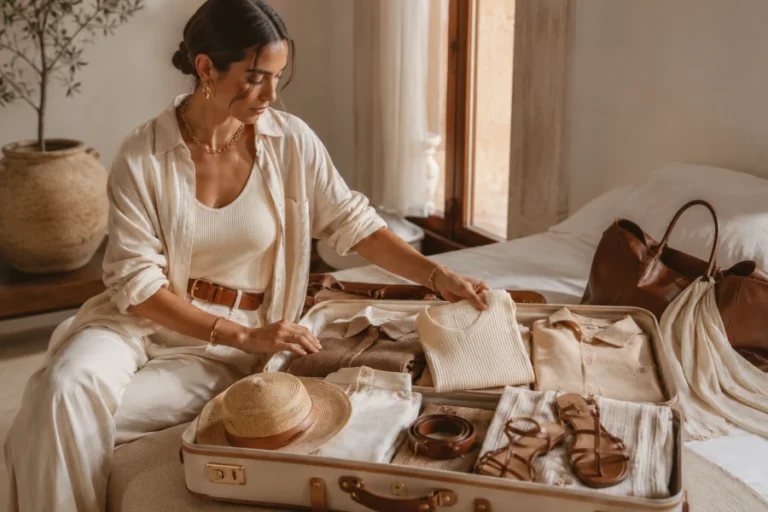
Every packed item should pass the three-outfit test. Hold one garment and build three different looks around it. If it cannot support three combinations, question its place. Special occasion pieces can be exceptions, but exceptions should stay rare. This test exposes weak links quickly. It also reveals missing basics. A top may need a better bottom. A skirt may require shoes you did not plan to bring. Testing before departure prevents frustration later. It makes packing more visual and less hopeful. The suitcase becomes a collection of outfits, not a pile of possibilities.
Good capsule habits improve after every trip. Keep notes about what you actually wore. Record what felt uncomfortable, excessive, or missing. Notice which pieces appeared in the most outfits. Those are your travel heroes. Also notice what stayed folded the entire time. That information is more valuable than generic packing advice. Future trips become easier because your data is personal. A reliable carry-on wardrobe develops through experience. Packing light becomes less about restriction and more about knowing yourself.



Leave a comment